
Chemical Peels: Benefits, Types & Skin Results
Healthy, glowing, smooth, and youthful skin is something everyone desires. Due to pollution, stress, sun exposure, unhealthy diet, hormonal imbalance, and aging, skin often starts looking dull, uneven, pigmented, acne-prone, and tired. Many people struggle with acne scars, tanning, fine lines, wrinkles, rough texture, and open pores. If you are looking for an effective solution to restore fresh and radiant skin, Chemical Peels are one of the best dermatologist-recommended treatments available today.
Chemical peels are widely used for skin rejuvenation, acne treatment, pigmentation correction, anti-aging, and improving overall skin tone and texture. Whether you are dealing with stubborn acne marks, dull skin, sun damage, melasma, or signs of aging, professional peels can deliver visible and long-lasting results. In many advanced skin clinics, peels are also combined with Salicylic Acid Peel for faster and deeper correction.
If you want brighter, clearer, smoother, and younger-looking skin, understanding how chemical peels work can help you choose the right treatment.
What Are Chemical Peels?
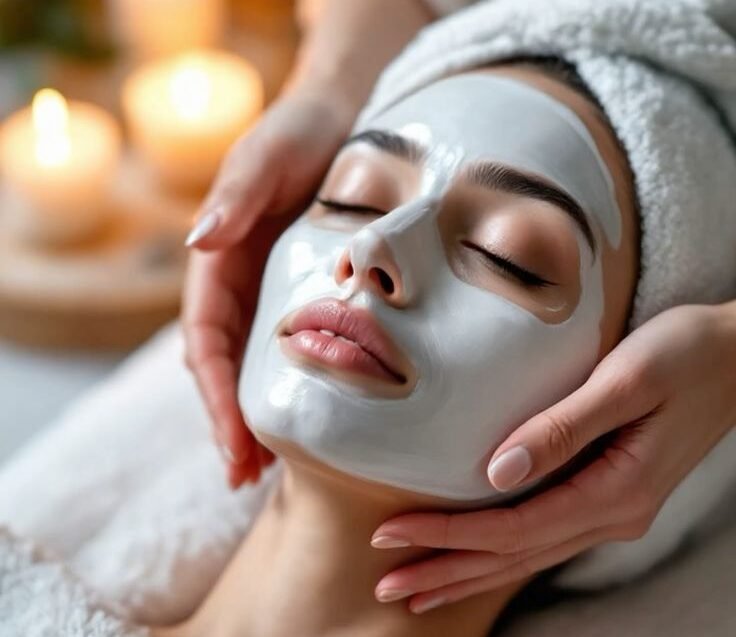
A Chemical Peel is a professional skin resurfacing treatment in which specially formulated exfoliating acids are applied to the skin. These active solutions remove dead skin cells, dissolve surface buildup, unclog pores, and stimulate regeneration of new skin cells. As damaged outer layers shed away, fresher, healthier, and brighter skin appears underneath.
Chemical peels are commonly performed on:
- Face
- Neck
- Hands
- Back
- Chest
- Shoulders
Depending on your skin concern, peels can be customized in strength and ingredients. Some peels are gentle and give instant glow, while others target deeper pigmentation, acne scars, wrinkles, and texture issues.
Why Chemical Peels Are So Popular
Chemical peels are one of the most trusted skincare treatments because they offer multiple benefits in one procedure. Unlike creams that may take months to show limited changes, peels work faster by actively resurfacing the skin.
Top reasons people choose chemical peels:
- Fast visible improvement
- Safe when done professionally
- Suitable for many skin types
- Minimal downtime in light peels
- Effective for acne and pigmentation
- Helps anti-aging naturally
- Improves product absorption
- Gives brighter and smoother skin
This is why chemical peels are one of the most searched skin treatments worldwide.
Benefits of Chemical Peels
1. Brightens Dull Skin
One of the biggest reasons people get peels is to restore glow. Dead skin buildup can make the face look tired and lifeless. Chemical peels exfoliate the top layer and reveal radiant skin.
2. Reduces Acne
Peels help unclog pores, reduce oiliness, remove bacteria buildup, and calm inflammation. This makes them useful for active acne and recurring breakouts.
3. Fades Acne Marks and Scars
Many people struggle more with acne marks than acne itself. Peels gradually lighten post-acne pigmentation and improve shallow scars.
4. Treats Pigmentation
Sun spots, melasma, freckles, tanning, and uneven patches can improve significantly with the right peel plan.
5. Smoothens Rough Texture
If skin feels bumpy, coarse, or patchy, peels help create a softer and smoother texture.
6. Shrinks Appearance of Pores
While pores cannot permanently disappear, peels help clean and tighten them, making them look smaller.
7. Reduces Fine Lines
Mild anti-aging peels stimulate collagen production, improving fine lines and early wrinkles.
8. Improves Skin Tone
Peels help even out patchy complexion and discoloration.
9. Enhances Skincare Results
After peeling away dead cells, serums and creams penetrate better and work more effectively.
10. Boosts Confidence
Clear and glowing skin often improves self-confidence and appearance.
How Chemical Peels Work
Chemical peels use ingredients like glycolic acid, Salicylic Acid Peel, lactic acid, mandelic acid, trichloroacetic acid, retinol, and combination formulas. These ingredients break down bonds between dead skin cells so they can shed naturally.
The process:
- Skin is cleansed thoroughly
- Peel solution is applied carefully
- Active ingredients begin exfoliation
- Skin may tingle for a few minutes
- Peel is neutralized or removed (depending on type)
- Recovery begins over next few days
- Fresh skin appears after peeling phase
Different peel strengths affect different layers of skin.
Types of Chemical Peels
1. Superficial Peels
These are light peels that work on the uppermost skin layer.
Best for:
- Instant glow
- Mild tanning
- Light pigmentation
- Maintenance treatments
- Oily skin
Common ingredients:
- Glycolic acid
- Lactic acid
- Mandelic acid
Downtime: Minimal
2. Medium Peels
These penetrate deeper and treat more visible skin issues.
Best for:
- Acne marks
- Melasma
- Uneven texture
- Moderate pigmentation
- Fine lines
Common ingredients:
- TCA (lower strength)
- Combination acids
Downtime: Moderate peeling for a few days
3. Deep Peels
These target severe damage and should only be done by experienced professionals.
Best for:
- Deep wrinkles
- Severe pigmentation
- Sun damage
- Advanced aging signs
Downtime: Longer recovery
4. Retinol Peel
Retinol Peel is one of the most in-demand modern treatments for skin renewal and anti-aging.
Benefits of Retinol Peel:
- Speeds cell turnover
- Clears pores
- Reduces acne
- Fades pigmentation
- Smoothens texture
- Improves fine lines
- Gives youthful glow
Retinol peels are ideal for those wanting clearer and fresher skin with anti-aging support.
Best Chemical Peels for Different Skin Concerns
For Acne-Prone Skin
- Salicylic acid peel
- Retinol Peel
- Mandelic peel
For Pigmentation
- Glycolic peel
- TCA peel
- Combination brightening peels
For Sensitive Skin
- Lactic peel
- Mandelic peel
For Anti-Aging
- Retinol Peel
- TCA peel
- Collagen-stimulating peels
For Oily Skin
- Salicylic peel
- Glycolic peel
Chemical Peels vs Salicylic Acid Peel
Many people compare Chemical Peels with Salicylic Acid Peel. Both are excellent, but they work differently.
Chemical Peels Are Better For:
- Surface pigmentation
- Acne
- Dullness
- Texture correction
- Mild scars
- Regular glow treatments
Salicylic Acid Peel Are Better For:
- Deep acne scars
- Hair removal
- Skin tightening
- Deep pigmentation
- Wrinkles
- Advanced rejuvenation
Which Is Better?
There is no single answer. The best treatment depends on your skin condition. Often, dermatologists combine peels with Salicylic Acid Peel for superior results.
What Happens During a Chemical Peel Session?
A typical peel appointment may take 20–45 minutes.
Process includes:
- Skin cleansing
- Degreasing the skin
- Peel application
- Monitoring reaction
- Neutralization if needed
- Moisturizer and sunscreen application
Most people return to routine quickly after lighter peels.
What to Expect After Treatment
After a peel, skin may experience:
- Mild redness
- Tightness
- Dryness
- Flaking
- Peeling for a few days
This is normal depending on peel strength.
Once recovery finishes, results often include:
- Brighter skin
- More glow
- Reduced spots
- Smoother texture
- Cleaner pores
- Even complexion
How Many Sessions Are Needed?
It depends on your concern.
For Glow:
1–2 sessions
For Acne:
4–6 sessions
For Pigmentation:
4–8 sessions
For Scars:
Multiple sessions + Salicylic Acid Peel
For Maintenance:
Monthly or seasonal sessions
Who Should Get Chemical Peels?
Chemical peels are suitable for:
- Men and women
- Working professionals
- Brides and grooms
- Acne-prone individuals
- People with pigmentation
- Those wanting anti-aging care
- Anyone with dull skin
Who Should Avoid Peels Temporarily?
You may need to delay treatment if you have:
- Active infection
- Open wounds
- Severe sunburn
- Recent waxing/threading
- Certain medications
- Pregnancy (depends on peel type)
Always consult a qualified skin expert.
Chemical Peel Aftercare Tips
Proper aftercare is essential.
Do:
- Use sunscreen daily
- Apply moisturizer regularly
- Stay hydrated
- Follow doctor advice
- Use gentle cleanser
Avoid:
- Scrubbing skin
- Picking peeling flakes
- Harsh actives for few days
- Excess sun exposure
- Steam and hot facials immediately after
Common Myths About Chemical Peels
Peels Burn the Skin
Professional peels are controlled and safe when done correctly.
Only Women Need Peels
Many men also choose peels for acne, tanning, and glow.
Peels Thin the Skin
Correct peels actually improve skin quality and renewal.
One Session Solves Everything
Some concerns need multiple sessions.
All Peels Cause Heavy Peeling
Many modern peels cause little to no visible peeling.
Why Professional Chemical Peels Are Better Than Home Peels
DIY products are weaker and risky if misused. Professional treatments are customized for your:
- Skin type
- Sensitivity level
- Pigmentation depth
- Acne severity
- Lifestyle needs
This gives safer and better results.
Chemical Peels for Indian Skin
Indian skin tones are beautiful but can be more prone to pigmentation if treated aggressively. That is why professional assessment matters. Dermatologists often choose safer peel combinations suitable for medium to deeper skin tones.
Popular peels for Indian skin:
- Mandelic peel
- Lactic peel
- Retinol Peel
- Salicylic peel
- Controlled glycolic peel
Why Retinol Peel Is Trending
Retinol Peel has become highly popular because it treats multiple concerns together.
It helps with:
- Acne
- Oil control
- Open pores
- Fine lines
- Rough texture
- Pigmentation
- Early aging
People love retinol peels because skin often looks fresher and smoother after recovery.
Can Peels Be Combined With Other Treatments?
Yes. Depending on your needs, peels may be combined with:
- Hydra facial
- Microneedling
- LED therapy
- PRP
- Salicylic Acid Peel
- Medical facials
Combination plans often give better outcomes.
How Long Do Results Last?
Results depend on skincare, sun protection, hormones, and lifestyle.
With maintenance care:
- Glow can last weeks
- Pigmentation can stay reduced longer
- Acne improves with regular management
- Anti-aging benefits build gradually
Use sunscreen daily to protect results.
Final Thoughts
If you want clear, smooth, glowing, and younger-looking skin, Chemical Peels are one of the best proven treatments available today. They can help reduce acne, pigmentation, tanning, rough texture, fine lines, and dullness while improving overall skin quality.
Whether you choose superficial glow peels, corrective peels, or an advanced Retinol Peel, professional treatment can transform your skin safely and effectively. For deeper concerns like scars, tightening, or advanced pigmentation, combining peels with Salicylic Acid Peel can provide even better results.